Sewage and floodwater
Septic Backup Cleanup in Joliet, IL
A septic backup is sewage, the same as a city sewer backup. Stop using water in the house until it is sorted.
- Category 3 protocol
- Answered 24/7
What septic backup cleanup involves
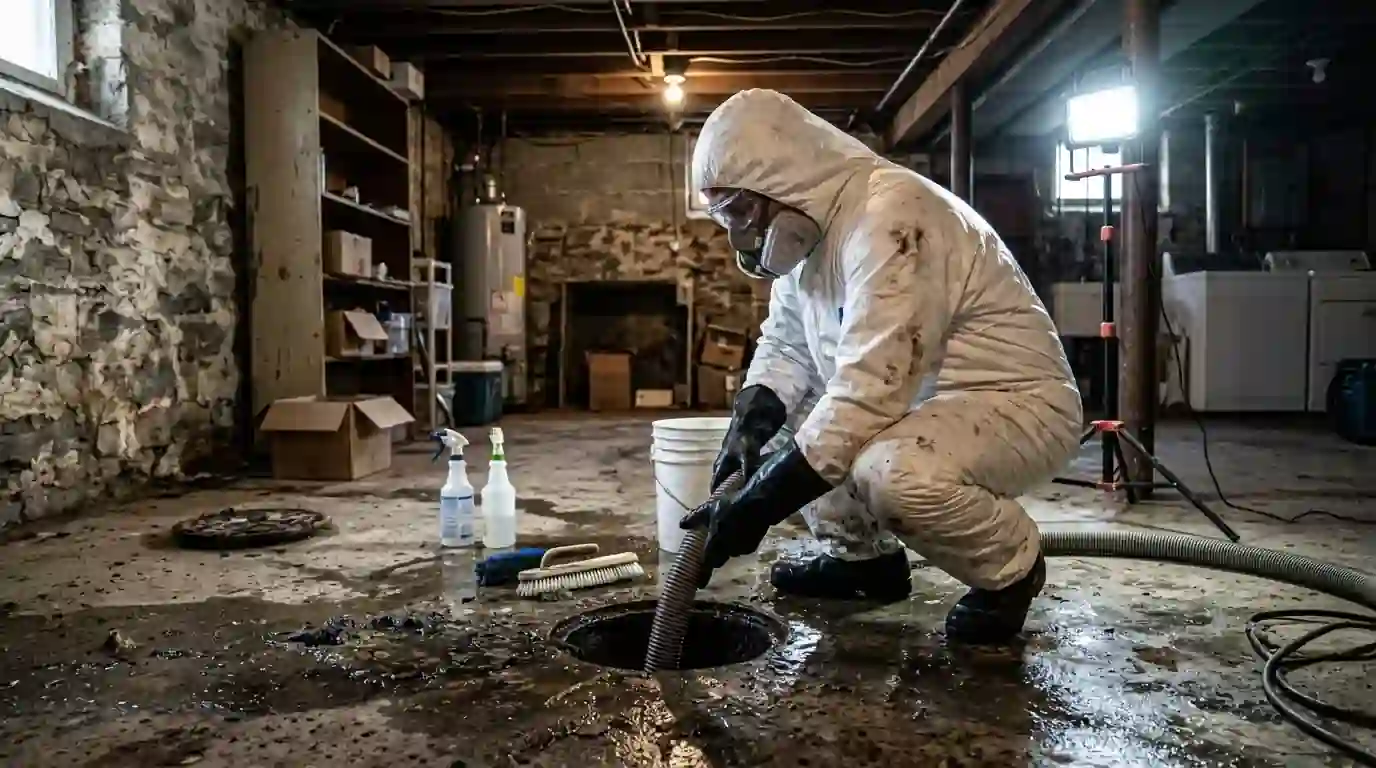
Septic backup cleanup removes sewage and solids that came up through floor drains, tubs or toilets when a septic tank is full or its field has failed. We remove contaminated materials, clean, disinfect and dry. A septic contractor pumps and repairs the system.
Homes outside the sewer service area use septic tanks and drain fields. When the tank is overdue for pumping, the field is saturated after weeks of rain, or a line is blocked, waste water comes back into the lowest drains in the house.
The cleanup follows the same contaminated water rules as a city sewer backup: protective gear, removal of porous materials that were soaked, cleaning and disinfecting, and drying. We also tell you to stop running water in the house until the septic contractor has been out, or it will keep coming back.
Signs to watch for
- Sewage at a floor drain or lowest toilet
- Gurgling drains throughout the house
- Slow drains everywhere at once
- Wet, smelly ground over the drain field
- Backups after long rains
Older properties in Homer Glen, Peotone, Manhattan and rural Will County still run on septic. Clay soils drain slowly, so fields saturate in wet springs.
Sewage and floodwater
What Joliet homes add to the job
Older parts of Joliet still drain through combined sewers, and heavy rain can push sewer water back up through basement floor drains. Anything that water touches is treated as contaminated: porous materials go, hard surfaces get cleaned and disinfected, and the space is dried and checked.
Step by step
How the job runs
Stop water use
No laundry, showers or flushing until the septic contractor checks the system.
Protect people
Area isolated, kids and pets kept away.
Remove sewage
Water and solids removed with protective gear.
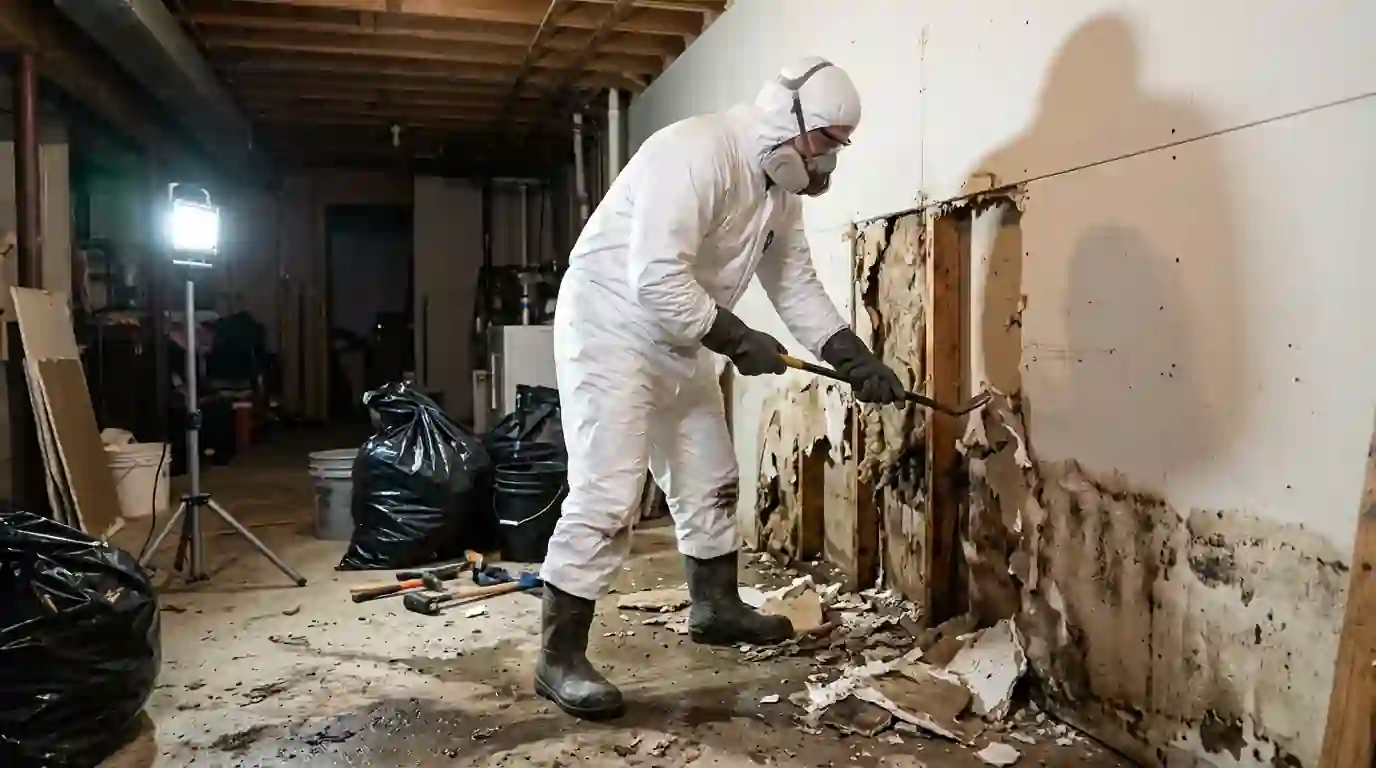
Tear-out and disinfect
Soaked porous materials removed, hard surfaces cleaned and disinfected.
Dry and verify
Drying with daily readings, then final checks.
Typical cost
What it usually costs in the Joliet area
A range, not a quote. We give you a written scope after the inspection. Wondering how much wall comes out? Try the flood cut calculator. See every range on the cost ranges page.
$1,540 to $6,980
for most residential septic backupsWhat moves the number:
- Area and depth of contamination
- Finished materials removed
- Contents that must be discarded
Questions about septic backup cleanup
Can I keep using my toilets after a septic backup?
No. Stop all water use until the tank is pumped and the system is checked, or the backup continues.
Is septic backup covered by insurance?
It varies by policy and endorsement. We document the loss for your insurer either way.
Do you pump septic tanks?
No. A septic contractor pumps and repairs the system. We handle cleanup inside the house.
How often should a septic tank be pumped?
Many households pump every three to five years; your septic contractor can tell you what fits your tank and family size.
Water where it should not be?
Call the Joliet line any hour. A person answers, asks four quick questions and sends an Evanwood crew.