Sewage and floodwater
Wet Insulation Removal in Joliet, IL
Wet insulation does not insulate, and it holds water against wood for weeks.
- Bag, dry, replace
- Answered 24/7
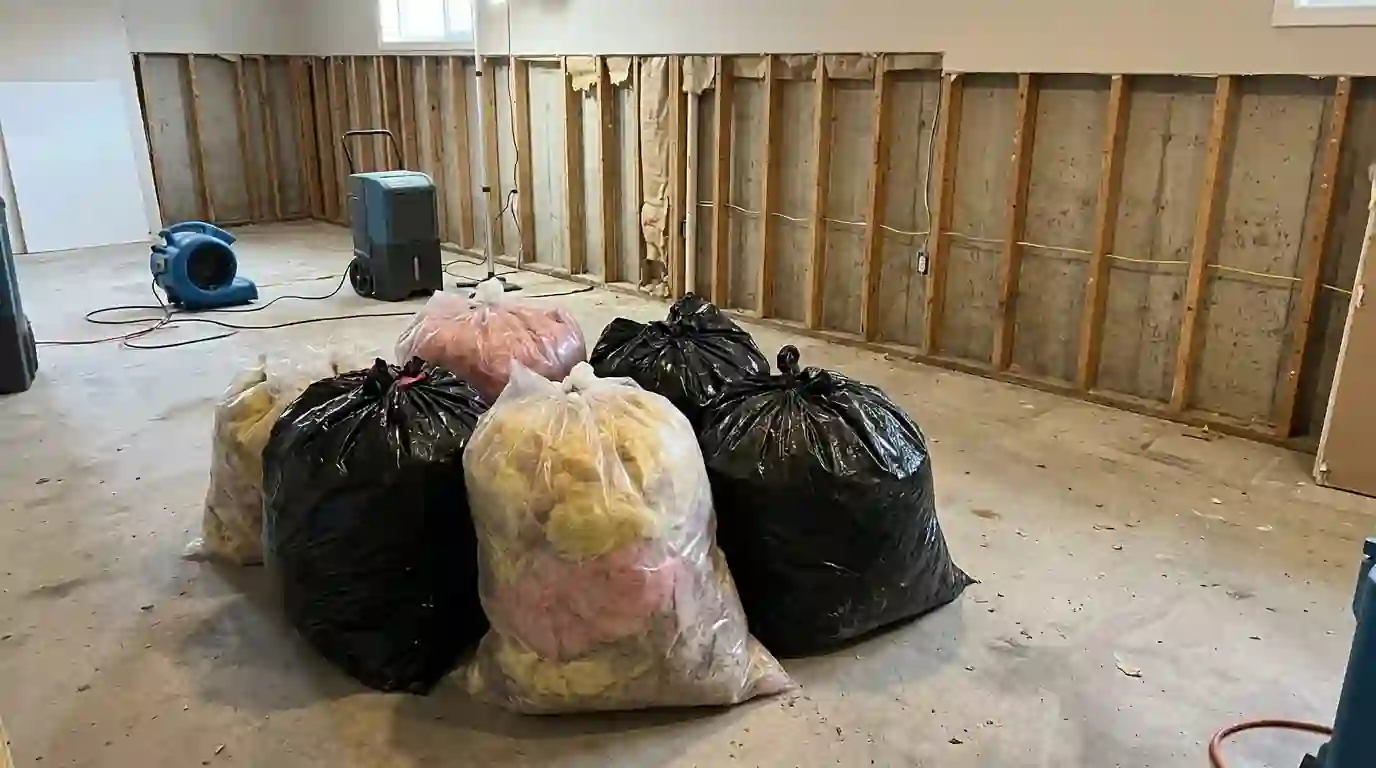
What wet insulation removal involves
Wet insulation removal takes out soaked or contaminated fiberglass, blown cellulose and other insulation so the framing behind it can dry. We bag it, clean the cavity and replace insulation once the structure is dry.
Insulation traps air to slow heat loss. When it soaks up water it collapses, loses its value and holds moisture against the framing. Cellulose and blown-in fiberglass in attics are especially hard to dry and usually come out.
Removal is messy, so we contain the area and use HEPA vacuums for loose fill. Once the cavity reads dry, new insulation goes in to match what was there.
Signs to watch for
- Damp or compressed insulation in walls opened after a leak
- Wet blown insulation in an attic
- Insulation hanging in a crawl space
- Cold spots on walls after a water loss
- Musty smell from an attic hatch
Ice dams and roof leaks soak attic insulation along the eaves in Joliet winters. In basements, the fiberglass behind finished walls is often the last thing to dry after a flood.
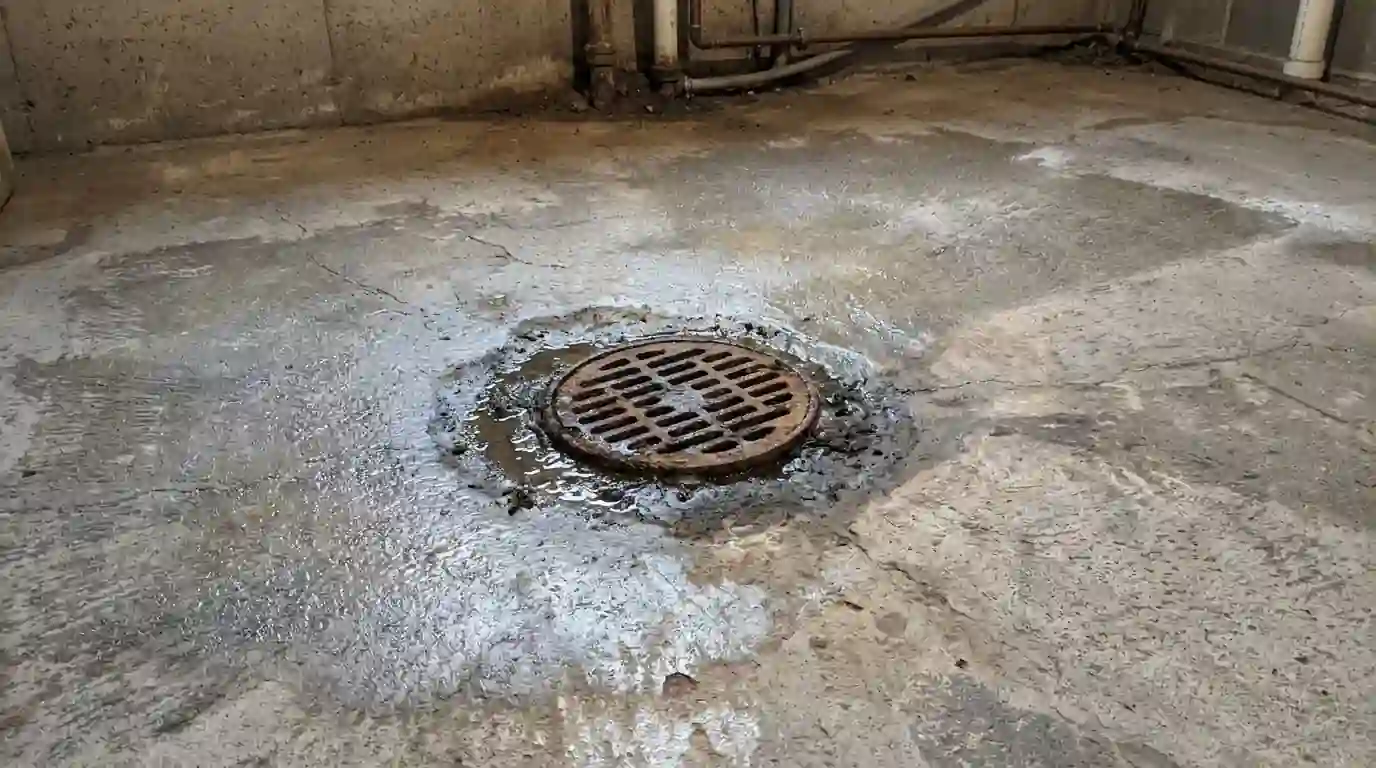
Sewage and floodwater
What Joliet homes add to the job
Floodwater from the Des Plaines River, the DuPage River or a backyard creek carries soil, fuel and sewage. We work in protective gear, set up containment where needed and keep a written record of what was removed for your claim.
Step by step
How the job runs
Locate
Meters and thermal imaging show where insulation got wet.
Contain
Plastic barriers and protection for floors and living space.
Remove
Batts bagged, loose fill vacuumed with HEPA equipment.
Dry and clean
Cavity and framing dried and cleaned.
Replace
New insulation installed to match.
Typical cost
What it usually costs in the Joliet area
A range, not a quote. We give you a written scope after the inspection. Wondering how much wall comes out? Try the flood cut calculator. See every range on the cost ranges page.
$540 to $3,280
depending on area and insulation typeWhat moves the number:
- Batts versus loose fill
- Access to attic or crawl space
- Replacement R-value and area
Questions about wet insulation removal
Can wet fiberglass insulation be dried?
Lightly damp batts sometimes can. Soaked, compressed or contaminated insulation should be replaced.
What about spray foam?
Closed-cell spray foam resists water but can trap it behind. We check the framing around it.
Is wet insulation a mold risk?
Yes. It holds water against wood and drywall paper, which is where mold starts.
Do you replace insulation too?
Yes, once the cavity is dry.
Water where it should not be?
Call the Joliet line any hour. A person answers, asks four quick questions and sends an Evanwood crew.