Why the difference matters
Groundwater that seeps through a wall or the floor joint is usually clean. It still damages drywall and carpet, but much of it can be dried. Water that comes back up a floor drain is sewage, even if it looks clear at first. It carries bacteria and has to be handled as contaminated: porous materials it touched are removed, and hard surfaces are cleaned and disinfected.
It matters for insurance too. Many Illinois homeowners policies cover sewer backup only with a separate endorsement, while seepage may not be covered at all. Knowing which you have helps you talk to your agent.
Signs it was a sewer backup
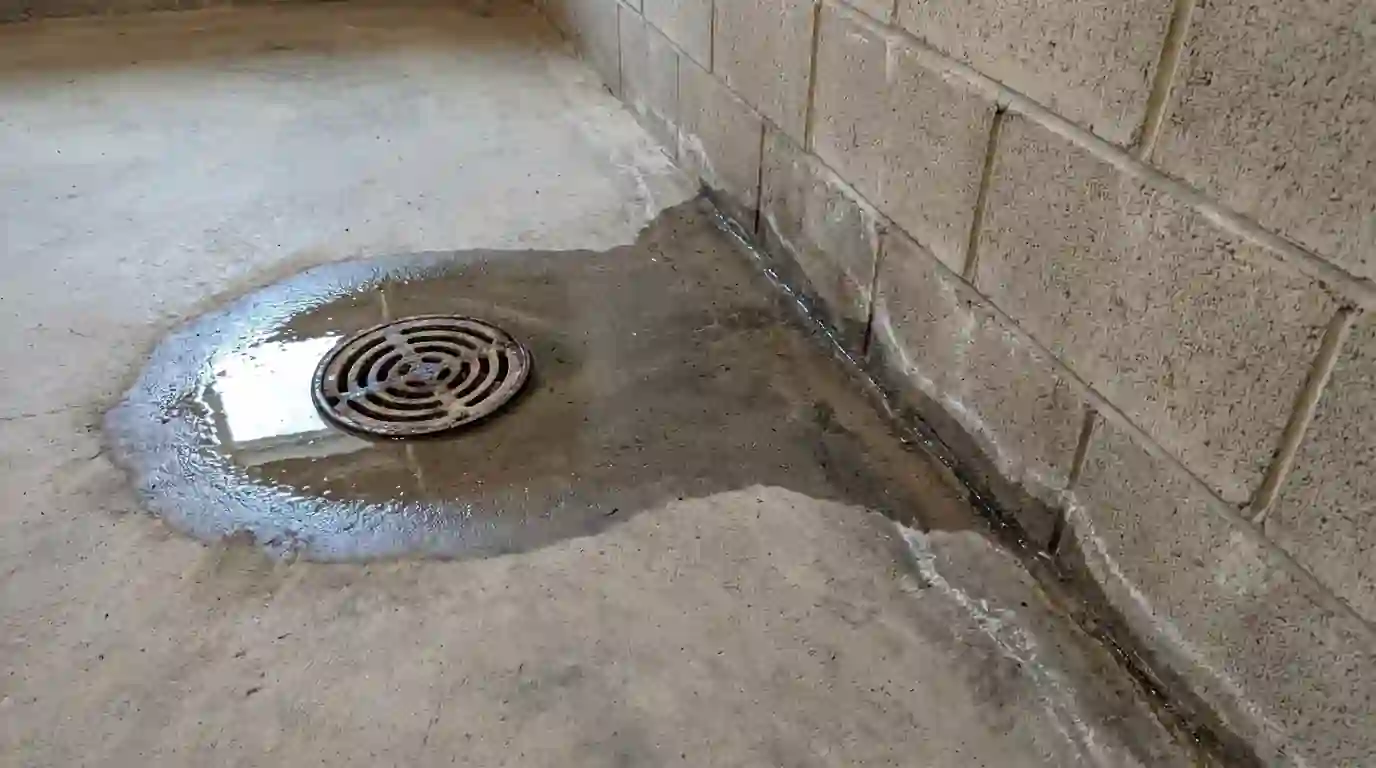
Water is pooled around the floor drain or came up through it. There is a sewage smell. You see paper, grit or dark residue near the drain. Toilets or tubs in the lowest level gurgled or drained slowly. It happened during a very heavy rain when many homes nearby had trouble at the same time. Older parts of Joliet still drain through combined sewers, and in a big storm those lines can push water back into homes.
Signs it was seepage
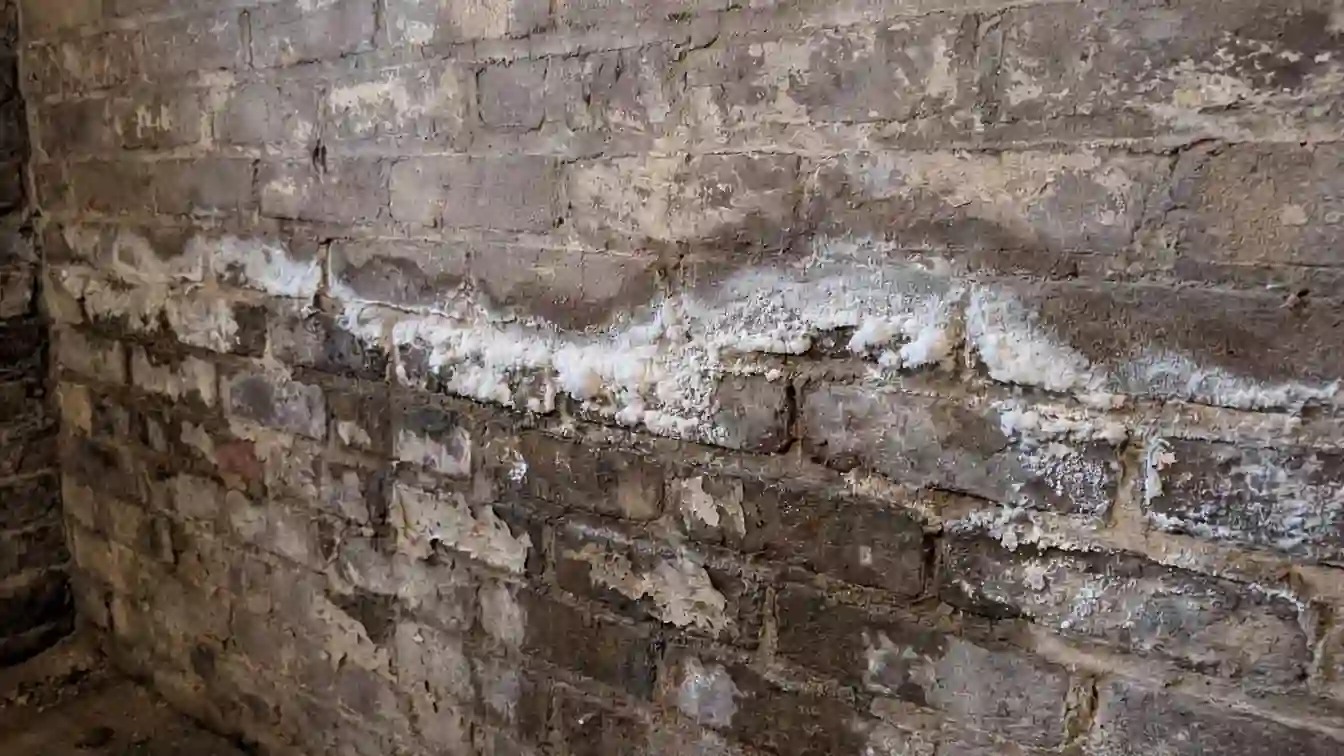
Water appears along the base of exterior walls or in a line along the floor-wall joint. Walls show damp patches or white mineral deposits. The water is clear and has no sewage smell. It happens after long rains or snowmelt rather than in the middle of one hard storm. Clay soil around most Will County foundations holds water against the walls, and hydrostatic pressure pushes it in.
When it is both
Sometimes a sump overflows and water also comes up the drain, or seepage reaches a floor drain and mixes with what is in it. When in doubt, treat it as contaminated. Keep children and pets out, wear gloves and boots if you must go down, and do not try to save carpet that sat in it.
What to do next
For a backup, call for cleanup and also call a plumber. A backwater valve or overhead sewer can keep it from happening again. For seepage, cleanup and drying come first, then the long-term fix: downspout extensions, grading, interior drain tile and a good sump pump. We can tell you on site which one you are dealing with.
A quick test you can do
Look at where the water is deepest. If it is deepest around the floor drain and thins out toward the walls, the drain is the likely source. If it is deepest along one or more walls and the drain is dry or only damp, seepage is more likely. Smell the water near the drain without touching it. A sewer smell settles the question.
What to keep out of the drains
During a storm, avoid running the washer, dishwasher and showers if your basement has backed up before. Every gallon you send down adds to what the system is trying to push back. Grease, wipes and paper towels in drains make private line clogs more likely, and a clogged private line backs up even in dry weather.