What the rule means
Mold spores are already everywhere, in every home. They need moisture, food and time. Wet drywall paper, wood, carpet backing and cardboard are food. Within a day or two of staying wet, growth can begin on those materials. It may not be visible yet, but it has started.
What to do in that window
Get water out and get air moving. Remove wet carpet pad and anything porous that sat in water. Open up wet wall cavities or dry them from inside. Run dehumidifiers and keep the space closed to outside humidity. Professional drying in the first day is the single best way to avoid a mold job later.
If it has been longer
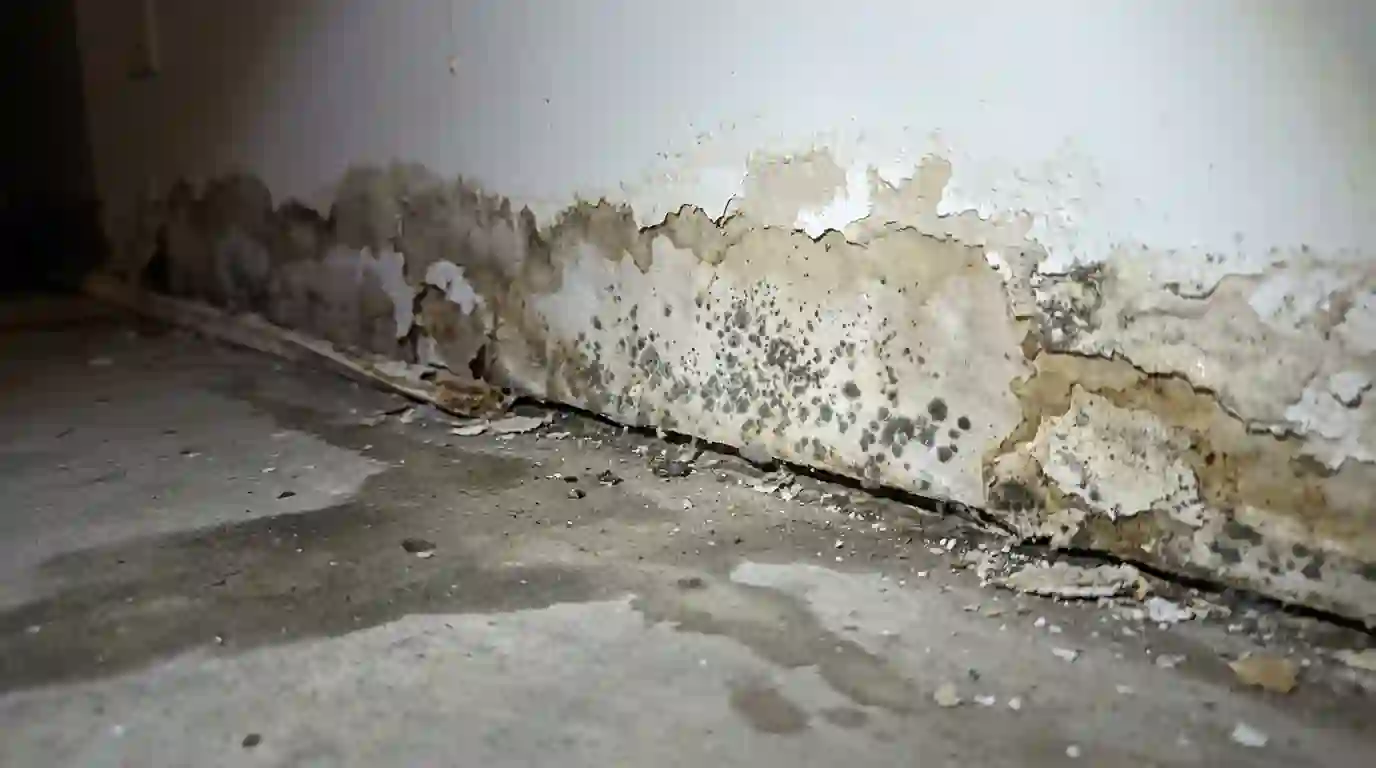
If a basement sat wet for several days, assume mold has started on porous materials. That does not mean the house is lost. It means the cleanup shifts from drying to remediation for those areas: containment, removal and cleaning, then drying.
How to tell if mold has started
Look for spots on the bottom of drywall, fuzzy growth on wood, a musty smell that gets stronger, or staining on the back of baseboard when it is pulled. A moisture reading that stays high is a warning sign even before anything is visible.
Joliet summers
In July and August, basement humidity in Will County often stays above 60 percent without a dehumidifier. That alone can keep materials damp enough for mold after a minor leak. A dehumidifier set around 45 to 50 percent is the cheapest insurance against it.
What can usually be saved
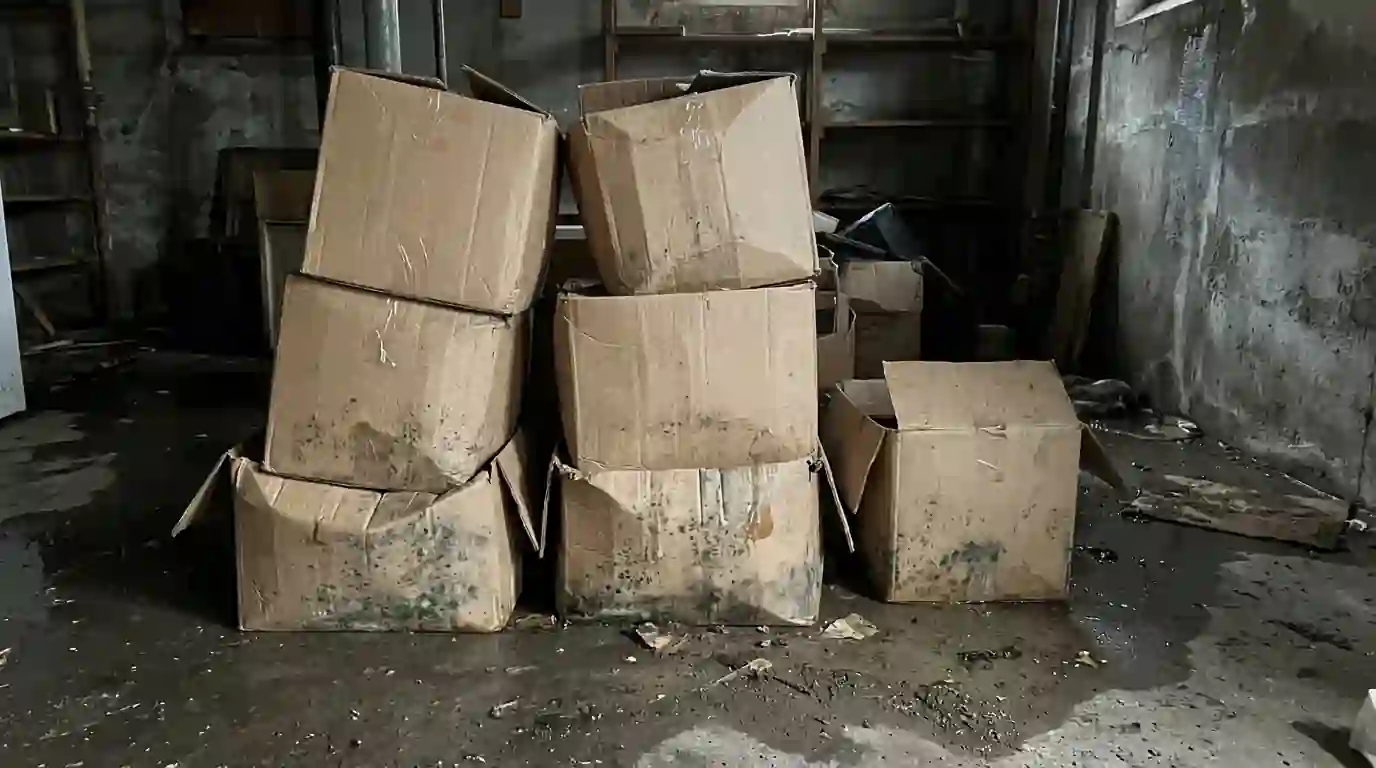
Solid wood framing, concrete, metal and most hard plastic can be cleaned and dried. Drywall, carpet pad, ceiling tile and cardboard that stayed wet are usually removed. Upholstered furniture and mattresses that soaked up water for days are hard to save. Photos and papers can often be saved if they are kept cold and handled quickly; ask us before you separate them.
Why bleach is not the answer
Bleach can lighten mold on hard surfaces but does not reach into porous materials like drywall or wood grain, and the water in it adds moisture back. Removing moldy porous material, cleaning hard surfaces and drying is what works.
Who should do the work
Small spots, roughly the size of a doormat or less, on hard surfaces can often be cleaned by a homeowner with gloves, eye protection and a mask. Larger areas, growth inside walls, or anyone in the home with asthma or a weak immune system are reasons to have containment set up by a crew.