When testing helps
Hidden mold is suspected but cannot be found. Someone in the home has health concerns and a doctor wants information. There is a dispute between a tenant and landlord or buyer and seller. You want proof after remediation that the air is back to normal.
When it does not
You can already see mold and know why it grew. Then the answer is to remove it and fix the moisture, and a test just adds cost.
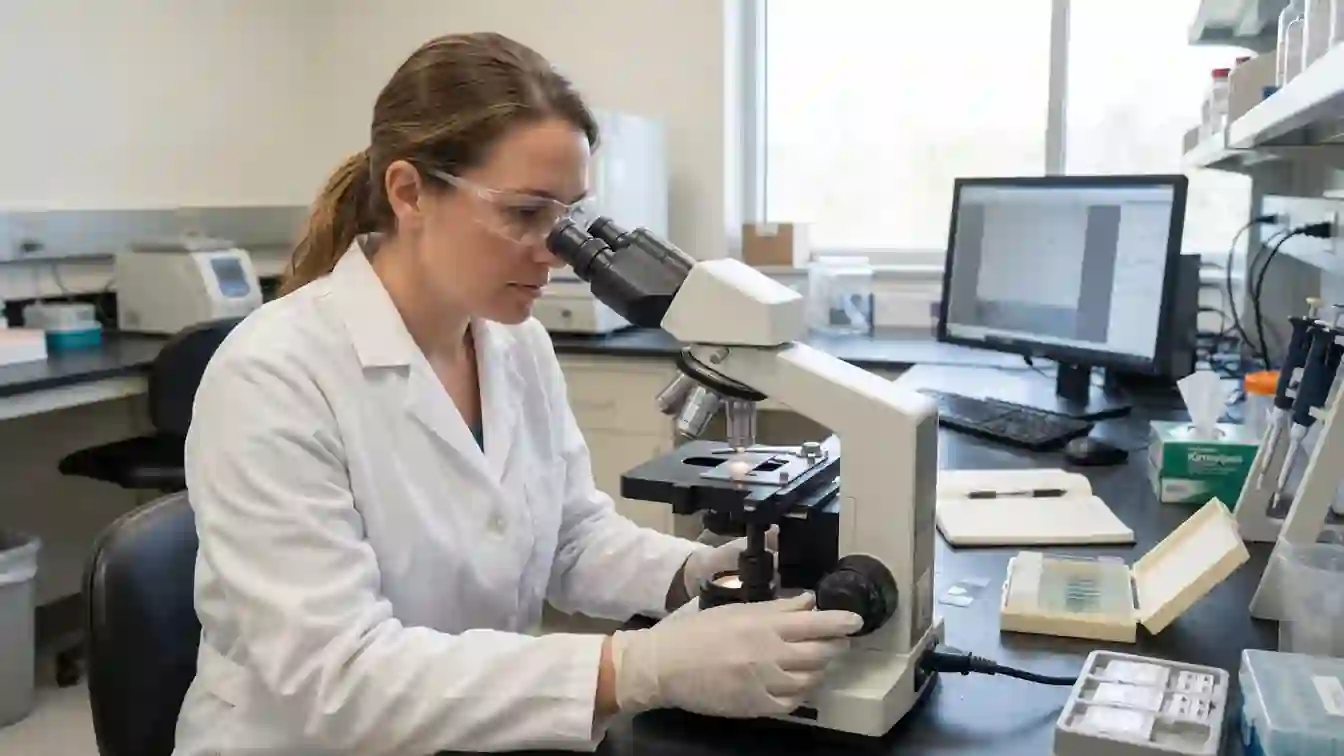
Why independent sampling
Results are most objective when the person taking samples is not the one doing the removal. We can recommend independent assessors.
What results mean
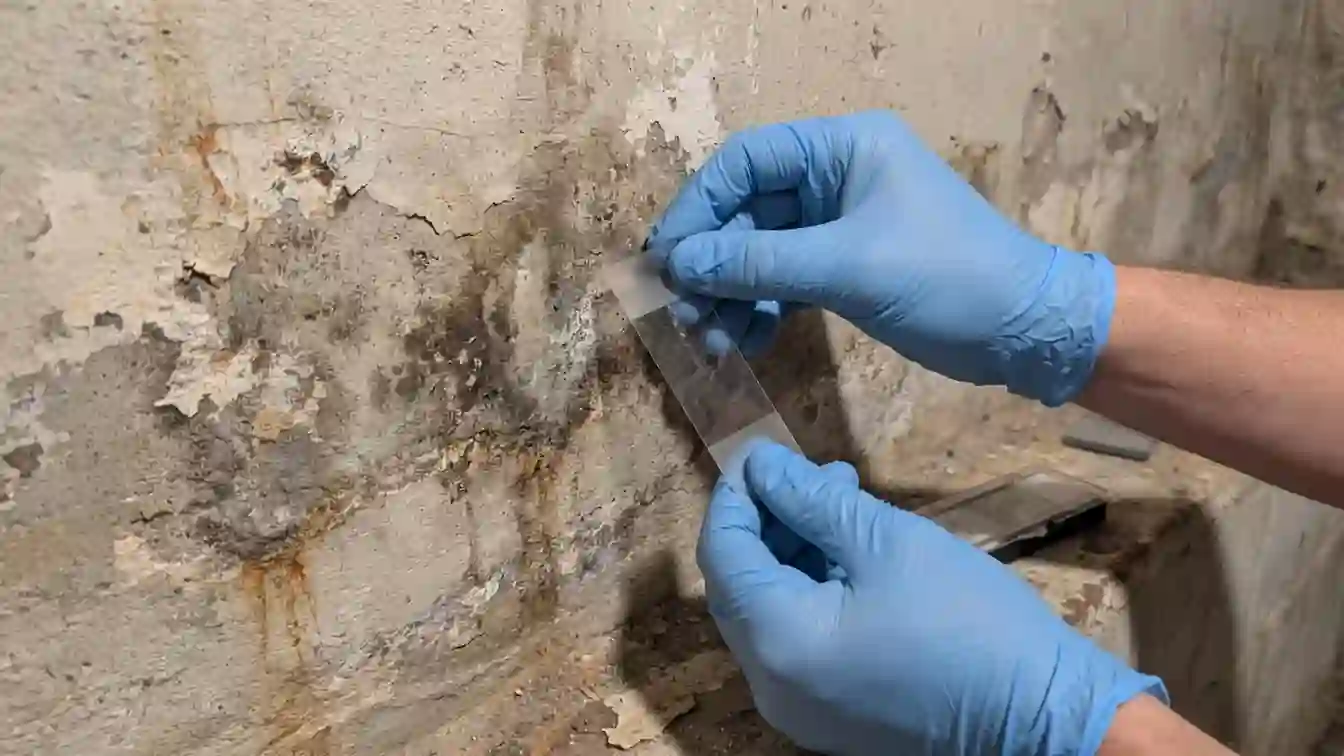
Air samples compare indoor spores to outdoor spores taken the same day. Surface samples identify what is growing. Neither tells you whether mold is making someone sick; that is for a doctor.
Questions to ask before you pay for a test
What question will this test answer? Who is taking the samples, and do they also sell remediation? Will there be an outdoor comparison sample taken the same day? Which lab is reading the samples? How will the results change what we do next? If nobody can answer the last question, the test probably is not worth it.
Why a single number can mislead
Spore levels change hour to hour with weather, cleaning and activity in the house. One air sample is a snapshot. Comparing indoor and outdoor samples taken the same day, and looking at the types of spores, says more than one count on its own.
Testing after remediation
Clearance testing after a mold job is one of the more useful kinds of testing. It is done after containment is cleaned and before walls are closed, ideally by someone independent of the remediation company. A visual check and moisture readings come first; sampling confirms.
What we do instead in most homes
In most Joliet area homes, the answer comes from a moisture investigation: meters, a thermal camera and opening the right small area. Find the water, find the mold, remove it and fix the cause. Sampling is the tool we reach for when that path leaves a real question unanswered.